Preparing Your Home for an Electric Vehicle Charging Station
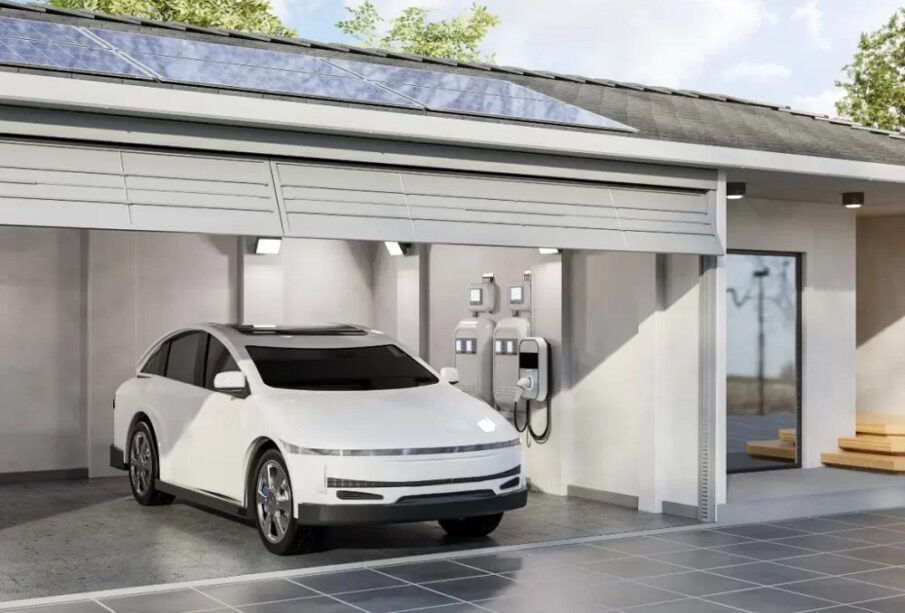
The global transition toward sustainable transportation has shifted from a forward-looking trend into a mainstream reality. As automotive manufacturers rapidly expand their electric vehicle lineups, millions of drivers are trading the traditional gas station experience for the convenience of home fueling. Charging an electric car overnight in your own garage or driveway fundamentally changes the daily routine of vehicle ownership, ensuring you wake up every morning with a full battery.
However, bringing an electric vehicle home involves more than simply buying a charging cable and finding an available wall outlet. An electric vehicle charging station is a high-powered electrical appliance that places a continuous, intensive load on a residential electrical infrastructure. To ensure safety, reliability, and optimal charging speeds, homeowners must systematically assess, upgrade, and prepare their property’s electrical system before the vehicle arrives. Understanding the technical requirements and installation pathways is essential to executing a seamless transition to electric mobility.
Understanding Charging Levels: Matching Infrastructure to Needs
Before initiating any physical modifications to your property, it is critical to understand the different tiers of residential charging equipment. Charging stations are classified into distinct levels based on their voltage, electrical current demands, and resulting replenishment speeds.
Level One Charging: The Basic Baseline
Level One charging utilizes the standard 120-volt alternating current household outlets found throughout every American residential property. When you purchase an electric vehicle, the manufacturer typically includes a portable Level One cord set that plugs directly into these standard three-prong receptacles.
While Level One requires zero electrical infrastructure modifications, its utility is severely limited by its speed. A standard 120-volt outlet delivers roughly 2 to 5 miles of driving range per hour of charging. For plug-in hybrid vehicles with small battery capacities or drivers with short daily commutes, this slow rate may suffice. However, for fully electric vehicles with large battery packs, a complete recharge can require more than 24 hours of continuous connection, making it impractical for standard daily driving.
Level Two Charging: The Residential Standard
Level Two charging is the undisputed standard for practical residential electric vehicle fueling. Operating on a 240-volt alternating current system, Level Two stations utilize the same type of heavy-duty electrical circuit required by major household appliances like electric clothes dryers, water heaters, and central air conditioning units.
A Level Two station delivers between 10 and 40 miles of range per hour of charging, depending on the specific amperage configuration of the station and the vehicle’s onboard acceptance rate. This increased speed allows virtually any electric vehicle to replenish its battery completely overnight, usually within 4 to 8 hours. Implementing a Level Two station is what necessitates a deliberate home preparation strategy.
Assessing Your Home’s Electrical Panel Capacity
The foundational element of any residential Level Two charging setup is the main electrical service panel. This panel serves as the central distribution point for all electricity entering your property from the municipal utility grid. It contains a main circuit breaker that dictates the absolute maximum amount of current the home can safely draw at any single moment.
Calculating the Total Electrical Load
Most homes built within the last few decades feature a 200-amp electrical service panel, which is generally sufficient to handle standard household appliances alongside a dedicated Level Two electric vehicle charger. However, older homes frequently operate on 100-amp or even 60-amp electrical services.
Before purchasing a charging unit, a licensed residential electrician must perform a comprehensive load calculation. This calculation aggregates the electrical demands of your existing high-power appliances—such as electric ovens, clothes dryers, HVAC systems, and hot tubs—against the remaining capacity of the panel. If your home operates on a 100-amp panel and features multiple heavy-duty electric appliances, adding a continuous 40-amp or 50-amp load for a vehicle charger will likely saturate the system, causing the main breaker to trip. In these scenarios, a physical upgrade of the main electrical panel to 200 amps is a mandatory safety prerequisite.
Evaluating Physical Breaker Space
Beyond total amperage capacity, the electrical panel must possess physical space to house a new breaker. A Level Two charging station requires a dedicated, double-pole circuit breaker that physically occupies two slots in the panel array. If your panel is completely full of existing breakers, an electrician may need to install a secondary subpanel to create the physical infrastructure necessary to route power to the garage or driveway charging location.
Selecting the Right Location and Hardware Configuration
Once the electrical capacity is verified or upgraded, you must make critical decisions regarding where the hardware will be situated and how it will be physically connected to the electrical system.
Hardwired Stations vs. Plug-In Outlets
Homeowners can choose between two physical installation configurations for Level Two chargers: hardwiring the unit directly into the electrical system or installing a heavy-duty NEMA 14-50 receptacle.
-
The Hardwired Approach: In a hardwired installation, the electrical conduit runs directly from the circuit breaker into the internal terminals of the charging station. This configuration offers superior weather resistance for outdoor installations and allows for higher amperage delivery, typically up to 48 or 50 amps. Hardwiring minimizes physical points of failure and is highly recommended for permanent, high-performance setups.
-
The Plug-In Approach: This method involves installing a heavy-duty 240-volt NEMA 14-50 outlet, which is identical to the outlets used by recreational vehicles and electric ranges. The charging station then plugs into this outlet. The primary advantage of a plug-in setup is portability; if you move to a new home or need to service the charger, you can unplug the unit without handling live electrical wiring. However, plug-in configurations are limited to a maximum continuous draw of 40 amps and require the installation of a specialized Ground Fault Circuit Interrupter breaker to comply with modern electrical codes.
Optimizing Physical Placement
Carefully consider the daily positioning of your vehicle when selecting the mounting location for the charging station. Measure the distance from the proposed wall location to the vehicle’s charging port, keeping in mind that different car manufacturers position their ports in different locations, such as the front grille, driver-side front fender, or passenger-side rear bumper.
Always select a location that allows the charging cable to reach the vehicle easily without stretching tightly across walking paths, where it could create a tripping hazard or suffer physical damage from being run over by lawnmowers or other garage equipment.
Future-Proofing and Navigating Local Regulations
Preparing your home for an electric vehicle is a significant long-term investment. To protect this investment and maximize its value, homeowners should approach the installation process with an eye toward future developments and local compliance.
Implementing Future-Proof Conduit
If you are running electrical conduit through finished walls, underground trenches, or complex crawlspaces, it is highly strategic to install larger conduit than is strictly necessary for your current charger. For instance, installing conduit capable of holding thicker gauge wiring allows you to easily upgrade to a higher-amperage charger or add a second charging station in the future if your household acquires a second electric vehicle, saving thousands of dollars in future labor costs.
Permits and Code Compliance
Electrical work of this magnitude must never be performed without proper authorization. Homeowners must ensure that a licensed electrician pulls the necessary electrical permits from the local municipal building department before beginning the installation.
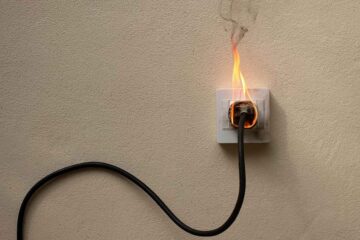
Following completion, a certified municipal inspector must evaluate the work to confirm adherence to the National Electrical Code. Skipping this step can invalidate your homeowner’s insurance policy in the event of an electrical fire and create significant legal liabilities if you choose to sell the property in the future.
Frequently Asked Questions
What is a smart charging station, and is it worth the additional cost over a basic unit?
A smart charging station connects directly to your home’s Wi-Fi network, allowing you to monitor charging data, track electricity costs, and control the station remotely via a smartphone application. Crucially, smart chargers allow you to schedule charging sessions automatically during off-peak overnight hours when utility companies offer reduced electricity rates. If your local utility provider utilizes time-of-use pricing structures, a smart charger quickly pays for itself by preventing the vehicle from drawing power during expensive peak daytime hours.
Can I safely install a Level Two electric vehicle charging station outdoors if I do not have a garage?
Yes, you can safely install a Level Two charging station outdoors, provided you select hardware with an appropriate National Electrical Manufacturers Association weatherproof rating. Look for charging units explicitly rated as NEMA 3R or NEMA 4, which indicates the enclosure is engineered to resist severe weather conditions, including heavy rain, sleet, snow, and external ice formation. For outdoor installations, a hardwired configuration is highly recommended over a plug-in outlet to eliminate the risk of moisture infiltrating the electrical receptacle.
How does the length and thickness of the wiring run impact the total installation cost?
The physical distance between your main electrical service panel and the proposed charging station location is one of the primary drivers of installation cost. Level Two circuits require thick, heavy-gauge copper wiring to safely transmit high current over long periods. If your electrical panel is located on the opposite side of the house from your garage or driveway, the cost of the raw copper wire, combined with the labor required to route conduit through walls, ceilings, or outdoor trenches, will significantly increase the total project expenditure.
What is load shedding, and how can it help homes with limited electrical panel capacity?
Load shedding, or dynamic energy management, is a technology utilized when a home’s electrical panel lacks the raw capacity to handle a vehicle charger alongside existing household appliances. A specialized sensor monitors the total electrical draw of the home in real time. If you run multiple heavy appliances simultaneously—such as the clothes dryer and the electric oven—the system automatically reduces or pauses the power flowing to the electric vehicle. Once the household appliances turn off, full power is safely restored to the charger, avoiding the need for an expensive panel upgrade.
Will installing a home charging station void my electric vehicle’s factory battery warranty?
No, installing a standard home charging station will not void your electric vehicle’s factory warranty. Modern electric vehicles are engineered with sophisticated onboard management systems that strictly regulate the incoming flow of electricity, protecting the battery cells from power surges and thermal stress. As long as the charging equipment is certified by a recognized safety testing laboratory, such as Underwriters Laboratories, and is installed in compliance with local electrical codes, the vehicle’s warranty remains fully protected.
Why do some vehicles charge slower than the maximum output capability of the home charging station?
Charging speed is ultimately dictated by the weakest link in the electrical chain between the home infrastructure and the vehicle. Every electric vehicle features an internal component called an onboard charger, which converts the alternating current from your home station into the direct current required by the car’s battery cells. If your home station is capable of delivering 11.5 kilowatts of power, but your specific vehicle’s onboard charger is electronically capped at an acceptance rate of 7.2 kilowatts, the car will only draw 7.2 kilowatts, resulting in a slower charge time.