
Turbine Blade Blending – Non-Destructive Inspection Methods
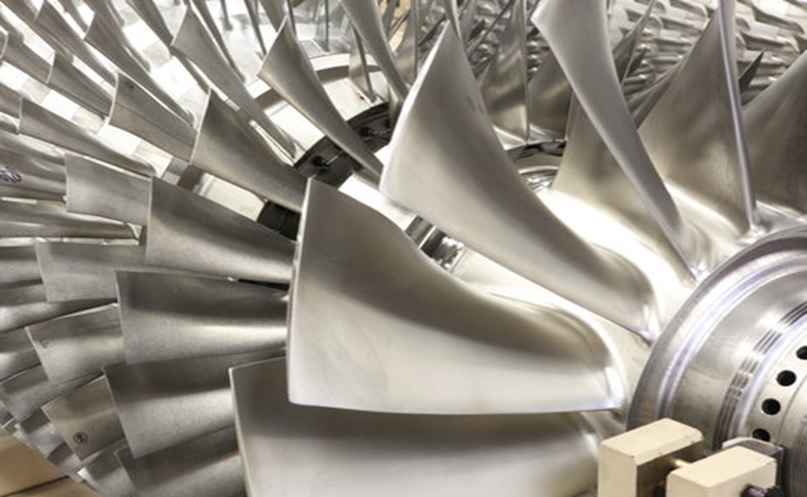
The efficiency and safety of power systems are impacted by the state of gas turbine blades. They are operating under a lot of stress. To find anomalies and prevent system issues, combustion review tactics or procedures must be applied.
The integrity and performance of these essential components are ensured using a range of examination techniques. Even the smallest defects can be found with non-destructive testing. If ignored, these could develop into major issues.
Certain methods are well known for their accuracy and dependability. These keep combustion conditions as optimal as feasible. Professionals ensure that the power systems run continuously.
Examinations, which include turbine blade blending, might be as simple or as complex as technical procedures. Combustion checkup procedures are crucial to preventative maintenance.
For example, a blade mixing protects the entire power generation system. In addition to guaranteeing the component’s longevity. The service sector is now better equipped to handle repair issues. This is a result of ongoing technological developments.
Understanding Gas Turbine Blades’ Essential Role in Power Production
The aviation and electrical industries depend on the careful upkeep and examination of combustion engines. These engines are necessary for both moving airplanes and producing power.
Because it influences the engine’s longevity, efficiency, and safety, its integrity is crucial. Because heat stress is a constant condition for these components. To find any flaws early, a comprehensive inspection is required.
Gas engine blades serve several purposes, which emphasizes how prone they are to wear. Procedures for maintenance and checkups become essential as a result.
To identify any defects that could compromise safety or impair performance. Numerous methods of examination are used.
- The Value of Integrity in Operational Safety
Integrity is crucial for the safe operation of a gas combustion engine. Even minor defects can spread due to rapid rotation and intense heat.
This highlights the significance of regular maintenance and inspections. These efforts ensure that it fights heat stress – see https://whosonthemove.com/extreme-temperatures-in-gas-turbines-give-rise-to-need-for-heat-resistant-materials-142555/, and complies with strict safety rules.
- Consequences of Failures
Failing combustion has other effects besides operational problems. They could lead to catastrophic failures that put human life in peril and significantly damage the engine. This highlights the significance of inspections as a vital disaster defense that goes far beyond routine examinations.
- Elements Influencing Wear and Damage
When heat stress, corrosion, and erosion threaten the components’ integrity, they must resist difficult conditions. Finding defects caused by these forces shows how advanced modern inspection techniques are.
Inspectors look for a range of problems, from hidden inner flaws to surface damage. These maintenance practices ensure longevity and security.
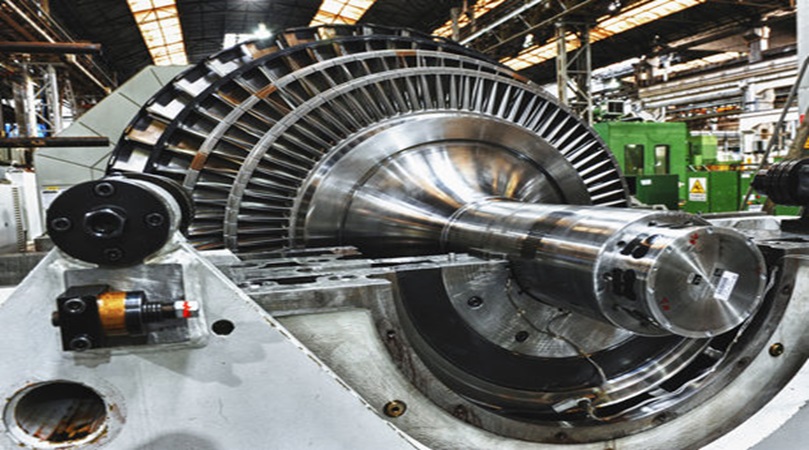
A Synopsis of the Inspection Techniques
- To maintain gas turbines running efficiently, stringent inspection and maintenance protocols are required. Among these, assessment methods are essential for spotting issues that could cause system breakdowns.
Over time, the methods have changed to include a broad range of NDT, or non-destructive testing. This growth emphasizes how important they are to a comprehensive assessment process.
- Visual examination is one of the most crucial NDT methods for a rotor. This straightforward first step in the assessment ladder focuses on identifying wear, erosion, and visible flaws.
Dye penetrant analysis is one technique that goes beyond surface checkup. They shine at exposing surface cracks that are invisible to the naked eye.
The foundation of longevity and reliability is thorough examination techniques. So, lowering risks and ensuring optimal performance.
- NDT for turbine blades also employs an eddy current exam. It finds flaws in conductive materials by using electromagnetic fields – read this to learn more.
Ultrasonic examination joins the fray by employing high-frequency sound waves. These waves help detect material defects without causing more damage to the structure.
- Be aware of issues that would typically go unreported, such as vacant spaces or extraterrestrial objects. The internal tier can be seen by radiographic approaches.
A comprehensive maintenance plan is ensured by combining several examination techniques. This strategy is necessary for efficient electricity production.
In conclusion, rotor longevity depends on meticulous maintenance and examination. By combining visual assessments with state-of-the-art NDT techniques.
Technicians are able to successfully identify a wide range of defects. This ensures that electrical systems run steadily and reliably.
The Important Non-Destructive Testing Aspect
Non-destructive testing is essential for inspecting turbine blades. It ensures that rotors in a range of industries operate safely and optimally.
NDTs are crucial for engineers and technicians. They provide a complete examination of blades without putting anyone in danger.
Essential Methods
Notably, ultrasonic checking can fully permeate materials. This technique accurately exposes underlying defects that are disguised.
Dye penetration checking, which is well-known for its straightforward application. It is the finest method for demonstrating surface fractures.
Modern radiography, along with testing procedures, completes this entire package. Together, they aid engineers in identifying flaws and upholding the standard of inspections.
Benefits
NDT offers a number of benefits over traditional testing. By eliminating the need to disassemble rotors, they lower downtime.
Inspectors can do checks more thoroughly and frequently. These methods increase the practicality of early fault identification.
All of this reduces the likelihood of unforeseen breakdowns. This ensures that rotors will continue to perform at their optimal level.