How to Choose the Right Off Grid Solar Generator for Your Energy Needs
Picking the right power solution for independent living can be a confusing process, especially with so many choices on the market today. Whether you are getting ready for emergencies, planning to live off the grid, or simply trying to cut down on your dependence on traditional electricity, Solar Powered Generators are a practical and environmentally sound choice. Getting a clear picture of your energy needs, daily usage habits, and the conditions of your environment will put you in a much better position to make a decision you are happy with.
Understanding Your Energy Requirements
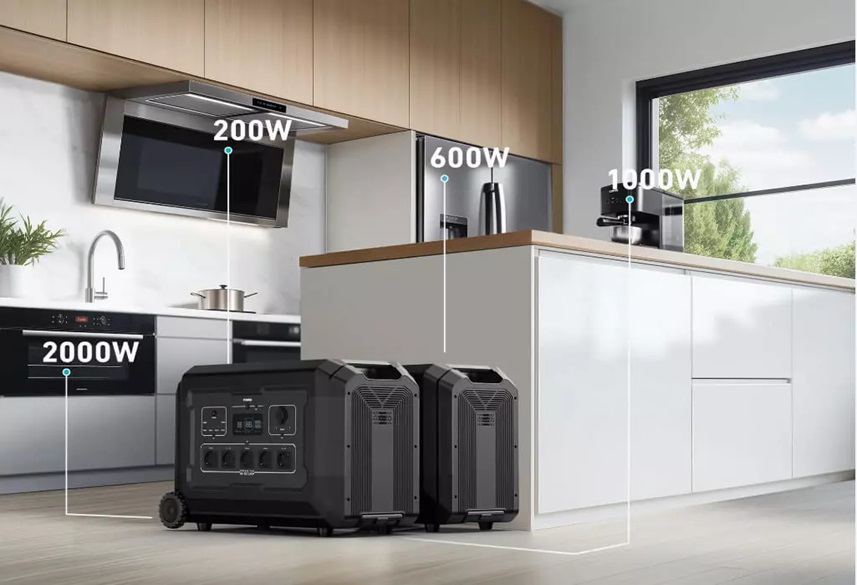
Before you start looking at specific systems, take some time to figure out how much power you actually use on a daily basis. Write down every appliance and device you intend to run things like lights, fans, fridges, laptops, or water pumps. Each of these has a wattage rating, and adding them all up gives you a solid sense of how much energy you go through in a day.
It is also worth thinking about how long each device runs. Lights might be on for several hours after dark, while other appliances only kick in occasionally. Once you work out your daily watt-hour total, you have a practical starting point for choosing the right system.
Battery Capacity and Storage Needs
How long your system can keep running without fresh solar input depends heavily on battery capacity. A bigger battery means more runtime, particularly on overcast days or through the night when the panels are not producing anything. You want a battery that covers your regular daily use and still has enough left over for situations you did not plan for.
It is also worth looking at systems that allow you to add more storage down the line. If your energy needs grow over time, that kind of flexibility means you will not have to start from scratch with a whole new setup.
Power Output and Inverter Capacity
The power output of your system determines which appliances you can run at the same time. Some devices, like refrigerators or power tools, need a strong burst of power just to start up, so your system needs to be able to handle those peaks without struggling.
The inverter is what turns stored energy into the kind of electricity your appliances can actually use, so its capacity needs to line up with your heaviest power demands. Going too small limits what you can do, while going too large adds unnecessary cost without much benefit.
Portability vs. Fixed Installation
Whether you need something you can move around or something built to stay in one place depends entirely on how you live. Portable units work well for camping trips, travel, or short-term use, while permanent installations make more sense for cabins or full-time off-grid homes.
Portable systems tend to trade some power and storage capacity for the sake of being easy to carry and set up. If staying lightweight and mobile is a priority, look for compact designs that are straightforward to get going. Fixed systems, on the other hand, can support larger panels and bigger batteries, which means more consistent and dependable power overall.
Solar Panel Efficiency and Compatibility
The solar panels are really the heart of the whole setup. How efficient they are determines how much of the available sunlight actually gets turned into usable electricity. Higher efficiency panels are a smart choice for smaller spaces since they produce more power without needing as much room.
Make sure whatever panels you choose are compatible with your system, and check whether the setup allows for additional panels to be added later if needed. Your location and how much sun your area gets throughout the year are also important things to factor in before making a final decision.
Charging Options and Flexibility
A reliable system should give you more than one way to charge. Solar is the main source, but being able to plug into a wall outlet or charge through a vehicle connection can make a real difference during emergencies or long runs of cloudy weather.
Having those backup options means you are not left without power just because the sun has not shown up for a few days. It also saves you in situations where you need power topped up quickly and cannot afford to wait.
Durability and Weather Resistance
If your system is going to spend time outdoors or in remote locations, how well it is built becomes a serious consideration. Look for units constructed from solid materials that can hold up against dust, moisture, and swings in temperature without deteriorating.
Components that are built to handle the elements will serve you much longer and cause far fewer problems over time. This matters even more if you are based somewhere with a tough climate or weather that tends to be unpredictable.
Safety Features and Certifications
When it comes to energy systems, safety is not something to take lightly. Most well-made modern setups include protections against overcharging, overheating, and short circuits built right in, which protects your equipment and keeps users safe at the same time.
Look for products that carry proper certifications and have been put through recognized quality testing. Paying a bit more for something that has been properly vetted can easily save you from bigger, more expensive problems further down the line.
Budget and Long-Term Value
Cost is always part of the equation, but it should not be the only thing you look at. A cheaper system might seem like a good deal upfront, but if it lacks efficiency, breaks down sooner, or cannot grow with your needs, it ends up costing more in the long run.
Look at the full picture expected lifespan, how much upkeep it needs, and what it could save you on energy costs over time. A system that is well-matched to your needs will pay for itself and keep delivering reliable power for years to come.
Maintenance and Ease of Use
How easy the system is to live with day to day is worth thinking about, especially if you are new to all of this. Simple controls, easy-to-read displays, and low maintenance demands make a big difference in the long run. Some units also include smart monitoring tools that let you check on performance and track energy usage without any hassle.
Keeping up with basic tasks like cleaning the panels and checking connections regularly will keep things running at their best. A system that does not demand too much of your time to maintain is always going to be easier to stick with.
Final Thoughts
Finding the right setup really comes down to being honest about what you need and what matters most in your situation. When you take the time to think through your energy consumption, storage requirements, how portable the system needs to be, and how much wear it will face, you give yourself the best possible chance of making a choice that holds up over time. Investing in Solar Powered Generators means having a dependable and sustainable source of power ready for you whether things go wrong unexpectedly or you are simply living your everyday life. Chosen wisely, an Off Grid Solar Generator puts real energy independence within reach and gives you a setup built for long-term reliability.