
The Transition to Green Energy Infrastructure and Technological Innovation
The global energy landscape is undergoing a profound structural transformation. For over a century, industrial economies have relied on finite fossil fuels to power generation grids, transport networks, and manufacturing centers. However, the external costs of this reliance, including environmental degradation, finite resource depletion, and volatile commodity pricing, have made the transition to green energy a geopolitical and economic imperative.
Green energy encompasses electricity and fuel derived from natural, self-replenishing sources that produce minimal to no greenhouse gas emissions during generation. Building a reliable grid powered entirely by these renewable inputs requires scaling existing technologies, re-engineering electrical transmission infrastructure, and pioneering new industrial-scale storage methods.
Primary Pillars of Green Energy Generation
Achieving a highly resilient green energy grid depends on diversifying generation sources. Relying on a single renewable resource introduces vulnerability due to natural variations in weather patterns. By combining multiple technologies, the grid maintains a steadier baseline of power production.
Solar Photovoltaic and Thermal Systems
Solar energy represents the most abundant energy resource on Earth. Modern solar deployment operates primarily through two distinct methodologies.
-
Photovoltaic Systems: Solar panels utilize semiconductor materials, typically silicon, to directly convert photons from sunlight into direct current electricity. Ongoing advancements in thin-film technology and perovskite solar cells have significantly boosted conversion efficiencies while driving down manufacturing costs.
-
Concentrated Solar Thermal Power: These utility-scale installations use vast arrays of mirrors or lenses to track the sun and focus a massive amount of solar radiation onto a small central receiver. This concentrated heat boils water or melts synthetic salts to drive a conventional steam turbine, allowing for electricity generation even after the sun sets.
Onshore and Offshore Wind Power
Wind energy systems harness the kinetic energy of moving air masses to spin mechanical rotors connected directly to electrical generators.
-
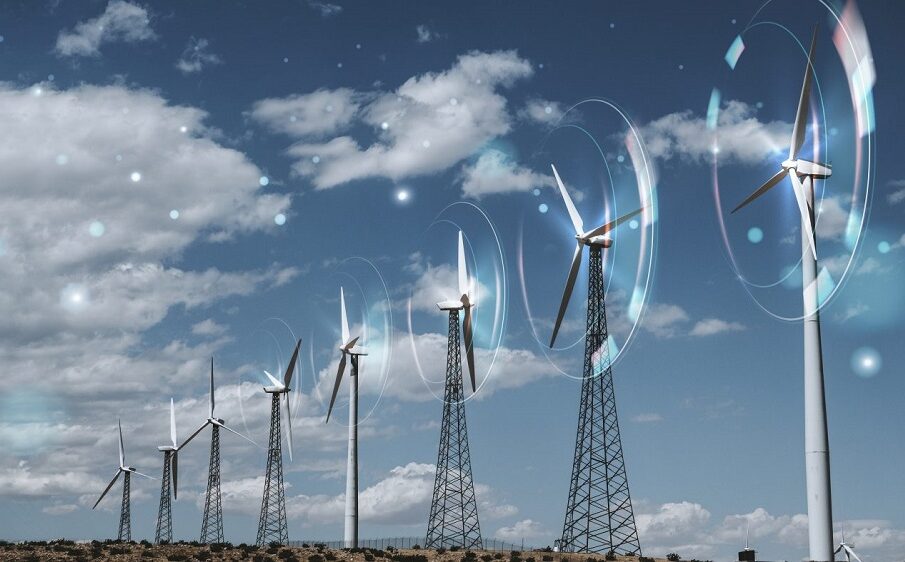
Onshore Wind Farms: Built on flat, open expanses of land or elevated ridgelines, onshore wind installations represent one of the cheapest forms of new electricity generation available today.
-
Offshore Wind Farms: Placed in shallow coastal waters or anchored on deep-water floating platforms, offshore turbines exploit much stronger, more consistent maritime wind currents. Although construction and marine maintenance require higher capital expenditure, the energy yields are vastly superior to their terrestrial counterparts.
Hydroelectric and Marine Energy
Water-based energy generation provides unique advantages regarding predictability and baseline power support.
-
Conventional Hydropower: Utilizing dams to restrict river flow creates high-pressure water releases that spin massive internal turbines. This system offers immense grid stability because operators can adjust the water flow to match sudden spikes in electricity demand.
-
Tidal and Wave Energy: Emerging marine technologies capture the predictable movement of ocean tides and surface waves. Because water is significantly denser than air, marine energy devices can harvest substantial kinetic energy from relatively slow-moving aquatic currents.
Grid Modernization and Energy Storage Challenges
The most prominent critique of primary green energy sources like solar and wind is their intermittent nature. Clouds block sunlight, and wind speeds fluctuate unpredictably. Resolving this mismatch between peak power generation and peak consumer demand requires a complete overhaul of conventional grid architecture.
Advanced Battery Storage Systems
To maintain grid stability, excess electricity generated during peak sunny or windy periods must be captured and stored for deployment during periods of low generation.
-
Lithium-Ion Utility Banks: Massed arrays of lithium-ion batteries are currently deployed near generation sites to provide rapid-response power injection, stabilizing the grid when demand spikes unexpectedly.
-
Solid-State and Flow Batteries: Next-generation storage technologies, such as vanadium redox flow batteries, offer longer lifespans and reduced degradation rates over thousands of charge cycles. These systems are ideal for long-duration energy storage across multiple days or weeks.
The Integration of Smart Grids
Traditional electrical grids were designed for one-way power flow from centralized fossil fuel plants to regional consumers. Modern green energy grids require two-way distribution systems managed by automated software.
-
Real-Time Load Balancing: Smart grids utilize artificial intelligence and advanced sensors to constantly analyze power demand across a region, automatically shifting power from areas of excess generation to regions experiencing shortages.
-
Decentralized Microgrids: Localized energy networks can operate independently from the main regional power grid. By combining localized solar arrays, wind turbines, and battery storage, microgrids ensure local hospitals, emergency services, and residential neighborhoods remain powered during widespread regional blackouts.
Alternative Green Fuels for Industrial Applications
While electrifying residential heating and passenger vehicles is relatively straightforward, heavy industries like commercial aviation, maritime shipping, and steel manufacturing require energy densities that standard batteries cannot currently provide. These sectors necessitate the development of clean, combustible green fuels.
The Hydrogen Economy
Green hydrogen is produced by using renewable electricity to split water molecules into hydrogen and oxygen through a process known as electrolysis.
-
Zero-Emission Industrial Heat: Burning green hydrogen yields only water vapor as a byproduct, making it an ideal substitute for coal and natural gas in high-heat manufacturing processes like chemical refining and steel forging.
-
Fuel Cell Technology: Hydrogen fuel cells generate electricity chemically, offering a high-density power source for long-haul freight trucks and heavy machinery that would otherwise be weighed down by heavy battery packs.
Sustainable Biofuels
Modern biofuels avoid the ethical issues of early generation alternatives by avoiding the use of vital food crops for fuel production.
-
Cellulosic Ethanol: Derived from non-food plant materials such as agricultural residues, wood chips, and switchgrass, this fuel integrates directly into existing liquid fuel infrastructure.
-
Algal Biofuels: Specialized algae strains grown in enclosed bioreactors synthesize lipids that can be refined into sustainable aviation fuel, drastically lowering the transportation industry carbon footprint without requiring new engine designs.
Frequently Asked Questions
What is the difference between renewable energy and green energy?
While the terms are often used interchangeably, there is a subtle distinction. Renewable energy refers to any resource that replenishes naturally on a human timescale, which can include large-scale hydropower or biomass. Green energy is a specific subset of renewable energy that provides the highest environmental benefit, meaning its extraction and generation produce virtually no pollution or greenhouse gases. For instance, while burning wood is technically renewable, it releases particulate emissions, so it is not categorized as green energy.
How does a pumped-storage hydropower facility function as a grid battery?
Pumped-storage hydropower is a mechanical method of storing massive amounts of energy using water and gravity. The facility utilizes two water reservoirs situated at different elevations. During periods of low electricity demand and excess green energy production, water is pumped from the lower reservoir up to the higher reservoir. When regional electricity demand peaks, the upper reservoir gates are opened, allowing the water to rush down through gravitational turbines to generate immediate electricity for the grid.
What environmental challenges are associated with manufacturing green energy technologies?
While green energy systems produce clean electricity during operation, their manufacturing phases carry environmental footprints. Producing solar panels and lithium-ion batteries requires mining rare earth elements, cobalt, and lithium, operations that can cause localized soil and water contamination if unregulated. Additionally, fabricating the specialized carbon-fiber blades for wind turbines requires substantial industrial energy. Resolving these upstream issues requires developing robust recycling programs to reclaim materials from decommissioned panels and turbines.
How does geothermal energy provide baseline power compared to solar or wind?
Geothermal energy taps into the constant thermal energy generated within the Earth core. Unlike solar or wind, which depend directly on atmospheric and weather conditions, geothermal power plants operate continuously regardless of the hour, season, or climate. This constant availability allows geothermal energy to serve as baseline power, meaning it provides a reliable, steady stream of electricity that satisfies the minimum continuous power demands of an entire electrical grid.
What is the function of an inverter in a residential solar energy system?
Solar panels naturally generate direct current electricity, which flows continuously in a single direction. However, standard household appliances and the broader commercial electrical grid operate exclusively on alternating current electricity, which periodically reverses direction. The inverter is a critical electronic component that converts the direct current produced by solar panels into usable alternating current electricity, ensuring compatibility with your household devices.
Why is the electrical transmission infrastructure a major bottleneck for green energy adoption?
Many of the most productive green energy generation sites, such as expansive desert solar installations or windy plains, are located far away from major metropolitan centers where electricity demand is highest. The current electrical transmission infrastructure lacks the capacity and distance efficiency to move this immense volume of power across states. Upgrading the grid requires constructing thousands of miles of high-voltage direct current lines, a process slowed by high capital costs, regulatory approvals, and land rights disputes.


