Hail Season in Colorado and Solar Panels: What Homeowners Need to Know
Colorado’s hail season is one of the most active in the country, and for homeowners who have invested in solar energy, it’s a topic worth understanding before the first storm rolls in. The good news is that modern solar panels are built with exactly this kind of environment in mind. The more complete picture, though, involves understanding how storms form, how panels are engineered, and what responsible installation and insurance coverage look like in a state where summer weather can turn severe in a matter of minutes.
How Colorado Hail Season Works
Colorado’s geographic position makes it unusually prone to damaging hail. The Front Range sits at the intersection of warm, moisture-laden air pushing up from the south and cooler air descending from the mountains, and when those two systems collide during summer months, thunderstorms can escalate with startling speed. Strong updrafts carry water droplets high into the atmosphere, where they freeze and begin accumulating mass. Once they grow heavy enough to overcome those updrafts, they fall as hail, sometimes in stones large enough to dent vehicles, puncture roofing materials, and damage outdoor infrastructure.
The severity varies considerably from storm to storm and even from block to block within the same event. Colorado sits within what meteorologists sometimes call “Hail Alley,” a corridor stretching from Texas through Nebraska where conditions are climatically favorable for large hail formation. The Denver metro area and surrounding communities along the Front Range experience some of the highest hail frequency of any urban region in the United States, which means solar homeowners in this part of the state are dealing with a genuine environmental consideration rather than a remote statistical risk.
How Solar Panels Are Engineered for Impact
The solar industry has never treated hail as an edge case, particularly in markets like Colorado where weather-related durability is a primary consumer concern. Most residential panels manufactured today use tempered glass specifically chosen for its ability to absorb and distribute impact energy without shattering the way standard glass would. That tempered glass is tested under standards set by organizations like the International Electrotechnical Commission, which require panels to withstand simulated hail strikes using ice projectiles fired at speeds designed to replicate real storm conditions.
Panels that pass these tests are generally rated to survive impacts from hailstones around one inch in diameter, which covers the majority of hail events that occur across Colorado in a typical season. Larger stones do fall, and in those cases the risk of damage increases, but the engineering baseline is meaningfully higher than many homeowners expect. A solar panel sitting on a Colorado roof is not the equivalent of a fragile skylight. It’s a purpose-built piece of infrastructure tested for exactly the climate it’s asked to operate in.
What Hail Damage Actually Looks Like
Understanding what hail damage means in practice helps homeowners respond appropriately after a significant storm. The range of outcomes is wider than most people assume. In a large percentage of hail events, panels sustain no functional damage at all, even when a storm is severe enough to damage vehicles or compromise asphalt shingles. The tempered glass holds, the internal layers remain intact, and energy production continues without interruption.
In moderate cases, panels may develop surface chips, minor scuffs, or hairline cracks in the glass that don’t immediately affect output. These cosmetic marks are worth documenting for insurance purposes but don’t necessarily signal that the panel has been compromised. More serious hail strikes can cause microfractures in the glass or damage to the encapsulant layers that protect the solar cells themselves. These deeper forms of damage are often invisible from the ground and won’t announce themselves through obvious signs. Instead, they tend to show up gradually as reduced energy production over subsequent weeks or months, which is one of the reasons post-storm inspection matters even when a system appears undamaged.
Why Installation Quality Is a Factor in Storm Resilience
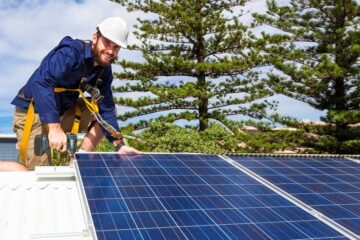
The way a solar system is installed has a direct bearing on how it performs during a hail event. Panel angle is one of the most consequential variables. Panels installed at steeper tilts deflect more of the kinetic energy from a hailstone’s impact, while flatter installations absorb more of that force directly. In Colorado, where energy production optimization and storm resilience sometimes pull in different directions, experienced installers navigate that balance carefully and factor in local hail frequency when designing a system’s tilt and layout.
Mounting hardware matters just as much as panel angle. Properly engineered racking systems secure panels firmly enough to prevent the vibration and flex that can compound damage during a storm. Loose or improperly torqued mounting points create structural stress that well-installed systems simply don’t face. Contractors who work regularly in Colorado’s hail-prone corridors understand these considerations at a practical level and bring that knowledge to system design in ways that can meaningfully reduce risk over the life of an installation.
Insurance Coverage and Documentation
Colorado homeowners carry some of the most hail-aware insurance policies in the country, largely because the state’s storm history has made hail coverage a standard expectation rather than an optional add-on. Most homeowners insurance policies cover solar panels as part of the home’s physical structure, though the specific terms vary by carrier and policy. Some insurers require dedicated endorsements for solar equipment, and others structure coverage differently depending on whether the system was purchased outright or financed through a lease or loan agreement.
After a major hailstorm, insurance claims involving roofs and solar systems are routine across the Denver metro and Front Range communities. Homeowners who document their system thoroughly at the time of installation are in a significantly stronger position when those claims arise. That documentation should include dated photographs of every panel, equipment specifications, model and serial numbers, and any installer warranty paperwork. Keeping digital copies stored off-site or in cloud storage ensures that documentation remains accessible even if the home itself sustains damage in the same storm.
How the Industry Has Responded to Hail-Prone Markets
Solar manufacturers have made steady and deliberate investments in durability engineering as markets in hail-prone regions like Colorado have grown. Improvements in tempered glass composition, stronger laminate bonding between layers, and more resilient frame construction have all contributed to panels that perform better under impact than earlier generations of equipment. Some manufacturers now offer panels marketed specifically for high-hail environments, with testing certifications that exceed standard IEC thresholds.
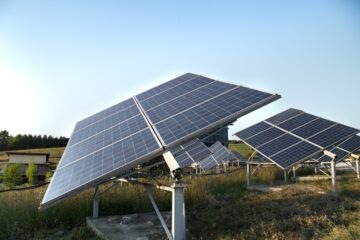
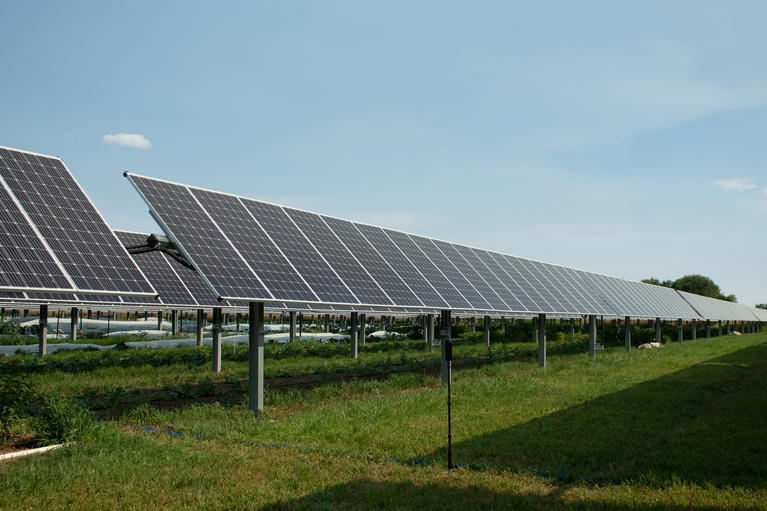
At the commercial scale, solar farms in hail-prone regions have begun incorporating tracking systems capable of tilting arrays into a nearly vertical position when severe weather approaches, dramatically reducing the surface area exposed to direct hail impact. That technology isn’t practical for most residential rooftop systems, but it reflects the seriousness with which the industry treats weather resilience as an engineering priority rather than a marketing claim.
The Practical Takeaway for Colorado Solar Homeowners
Solar energy works in Colorado, and it works well. The state ranks among the strongest solar markets in the country for reasons that go well beyond hail season, including abundant sunshine, favorable net metering policies, and strong installer ecosystems across the Front Range. Hail is a real environmental variable that deserves real consideration, but it doesn’t change the fundamental calculus for most homeowners.
Choosing a qualified installer with documented experience in Colorado’s climate, understanding what your homeowners insurance covers and what it requires, and committing to post-storm inspection after significant weather events are the practical steps that make a solar investment resilient over time. Colorado’s storms are part of living here. A well-designed and properly installed solar system is built to handle them.