
Solar Power and EV Charging: A Good Match for Businesses
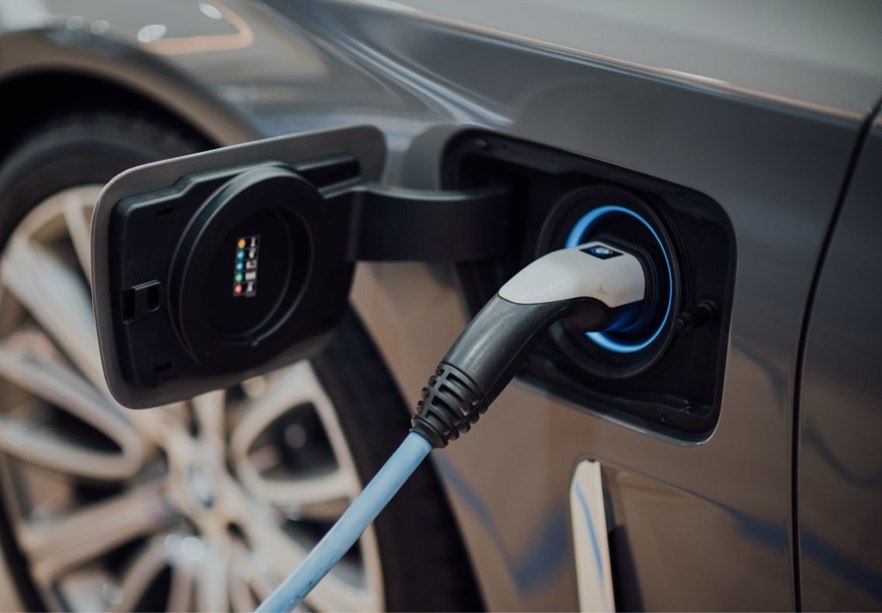
The transition to electric vehicles (EVs) is no longer a distant vision of the future; it is a present-day reality reshaping how companies operate. As more employees, clients, and corporate fleets make the switch to electric, businesses are facing a new logistical challenge: providing adequate charging infrastructure. While installing charging stations is a fantastic step forward, powering them solely through the traditional electrical grid can lead to skyrocketing utility costs. This is where solar power steps in. Combining commercial solar panel installations with EV charging stations is proving to be a perfect, highly profitable match for modern businesses.
The synergy between solar energy and EV charging is fundamentally rooted in timing. The majority of corporate EV charging occurs during standard daytime business hours—exactly when commercial solar arrays are generating their peak output. Instead of exporting excess solar energy back to the grid for minimal returns, businesses can funnel that free, clean electricity directly into the batteries of parked vehicles. This self-consumption model drastically reduces peak demand charges, which are often the most expensive component of commercial electricity bills. By generating their own fuel on-site, companies can lock in their energy costs, protect themselves from volatile utility rates, and significantly shorten the return on investment for both their solar arrays and their charging hardware. For companies with large vehicle fleets, such as delivery services or corporate sales teams, the ability to fuel up using sunlight translates to massive, immediate reductions in overhead operational expenses.
Beyond the obvious financial advantages, integrating solar power with EV charging provides a substantial boost to a company’s sustainability profile. In today’s climate-conscious market, consumers, investors, and top-tier talent actively seek out organizations with strong Environmental, Social, and Governance (ESG) commitments. Allowing employees and visitors to charge their vehicles using 100% renewable energy sends a powerful, visible message about a brand’s dedication to reducing its carbon footprint. It transforms a standard parking lot into a tangible demonstration of corporate responsibility, elevating the brand’s public image while actively contributing to local and global climate goals.
The corporate mindset surrounding these technologies is also evolving rapidly. Workplace charging is steadily moving away from being seen as a rare luxury amenity. In fact, as the electric transition accelerates, many industry experts now argue that providing reliable power for vehicles should be treated as a fundamental operational requirement. To navigate this transition effectively and ensure the system is optimized for both solar generation and vehicle demand, organizations should partner with a reputable renewable energy service. These professionals can design integrated microgrids, manage load balancing, and ensure that the infrastructure scales seamlessly as the company’s EV adoption inevitably grows over the coming years.
Ultimately, marrying solar power with EV charging infrastructure is one of the smartest investments a forward-thinking company can make. It creates a closed-loop energy ecosystem that lowers operational expenses, bolsters sustainability credentials, and provides an increasingly essential service to stakeholders. As the electrified future accelerates, businesses that generate their own clean drive-power will undoubtedly lead the pack.


