Understanding Modern Environmental Challenges and the Path to True Sustainability
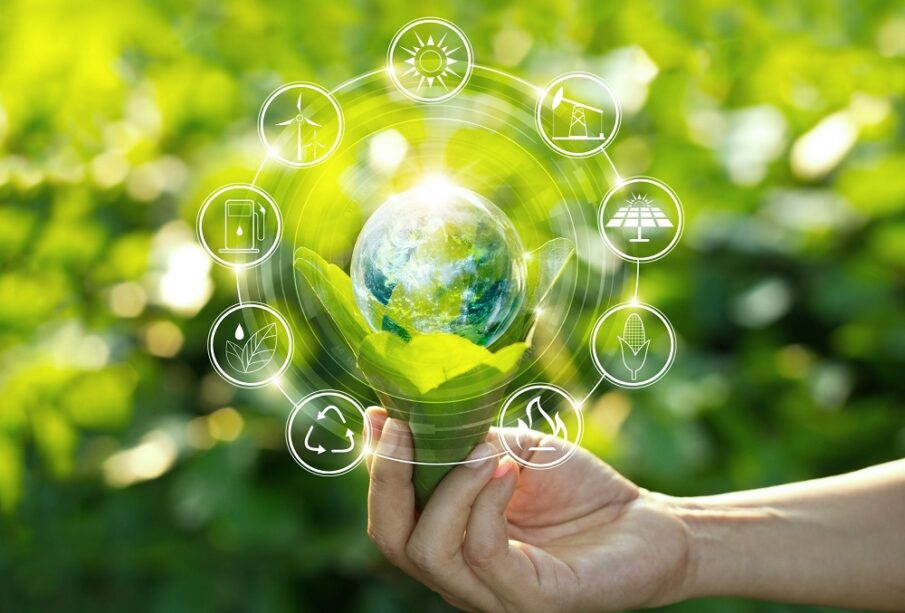
The global environment is a complex, interconnected web of systems that sustains all terrestrial and aquatic life. In recent decades, industrial expansion, rapid population growth, and resource extraction have placed unprecedented pressure on these natural systems. True environmental sustainability requires a comprehensive understanding of the fragile balance between human activity and ecological preservation.
Addressing modern environmental degradation is no longer a niche concern or a distant problem for future generations. It is an immediate crisis affecting public health, economic stability, and biodiversity. Achieving a balance that preserves the planet requires analyzing the core drivers of environmental change and implementing structural, scalable solutions.
The Critical State of Global Ecosystems and Biodiversity
Healthy ecosystems provide essential services that humans rely on for survival, including clean air, potable water, crop pollination, and climate regulation. When these systems are disrupted, the consequences ripple across the entire planet.
The Accelerating Loss of Biodiversity
Biodiversity refers to the variety of life on Earth, from microscopic bacteria to vast forest ecosystems. Current scientific assessments indicate that species extinction rates are accelerating at a pace not seen in millions of years.
-
Habitat Destruction: The expansion of agriculture, logging, urban sprawl, and mining directly fragments and destroys the natural habitats that wildlife relies on for survival.
-
The Monoculture Crisis: Replacing diverse ecosystems like rainforests with single-crop plantations, such as palm oil or soy, eliminates the structural complexity required to support varied wildlife populations.
-
Disruption of Food Webs: The decline of keystone species, such as apex predators or primary pollinators, causes a cascading failure across entire biological networks, threatening food security and ecosystem resilience.
Marine Ecosystem Degradation
The world’s oceans cover more than 70 percent of the planet and serve as a primary climate regulator. However, marine environments are facing unprecedented, simultaneous threats.
-
Ocean Acidification: As the oceans absorb excess atmospheric carbon dioxide, the chemical composition of the water changes, becoming more acidic. This acidity inhibits the ability of shellfish and coral reefs to build their protective skeletons.
-
Plastic Accumulation: Millions of tons of synthetic plastics enter marine environments annually. These materials do not biodegrade; instead, they break down into microplastics that enter the marine food chain, absorbing toxins and harming marine life.
-
Overfishing: Industrial fishing fleets deplete fish stocks faster than they can naturally replenish, permanently altering ocean populations and destroying delicate seafloor habitats via bottom trawling.
Air and Water Pollution Dynamics
Pollution is the introduction of harmful materials into the environment, altering chemical balances and threatening the health of every living organism.
Atmospheric Pollution and Air Quality
Air pollution is a complex mixture of solid particles, liquid droplets, and gases suspended in the atmosphere.
-
Particulate Matter: Fine particulate matter, specifically PM2.5, consists of tiny particles that can penetrate deep into human lungs and enter the bloodstream, causing severe cardiovascular and respiratory illnesses.
-
Ground-Level Ozone: Unlike the protective stratospheric ozone layer, ground-level ozone is a toxic air pollutant created when emissions from industrial facilities and vehicles react chemically in the presence of sunlight.
-
Industrial Emissions: The combustion of fossil fuels releases sulfur dioxide and nitrogen oxides, which interact with atmospheric moisture to form acid rain, degrading soil quality and killing aquatic life in freshwater lakes.
Freshwater Depletion and Contamination
Freshwater resources are finite, accounting for less than 3 percent of the world’s total water supply. Industrial, agricultural, and municipal activities continually jeopardize these vital reserves.
-
Agricultural Runoff: The heavy application of synthetic fertilizers and pesticides leads to chemical runoff into nearby rivers and streams. This runoff introduces excess nutrients, causing massive algal blooms that deplete oxygen levels and create aquatic dead zones.
-
Industrial Effluents: Manufacturing facilities frequently discharge heavy metals, chemical solvents, and toxic byproducts directly into local waterways, poisoning drinking water aquifers.
-
Aquifer Depletion: Subterranean groundwater reserves are being pumped out for agricultural irrigation at rates far exceeding natural precipitation recharge, causing land subsidence and permanent loss of water storage capacity.
Structural Strategies for Environmental Restoration
Reversing environmental degradation requires moving beyond basic individual actions toward comprehensive structural and institutional changes.
Transitioning to a Circular Economy
The traditional economic model follows a linear path: extract raw materials, manufacture a product, and discard it as waste. This model is fundamentally unsustainable. A circular economy redefines this system to eliminate waste and maximize resource efficiency.
-
Designing for Longevity: Manufacturers must design products that are durable, modular, easily repairable, and entirely recyclable at the end of their operational lifespan.
-
Resource Recovery: Industrial processes should operate on closed-loop systems, where the waste material of one process becomes the raw input for another.
-
E-Waste Management: Developing advanced reclamation facilities to safely extract precious metals and toxic components from discarded electronics prevents heavy metals from leaching into municipal landfills.
Landscape Restoration and Reforestation
Restoring degraded landscapes is a powerful tool for rebuilding biodiversity and stabilizing local climates.
-
Afforestation and Reforestation: Planting native tree species on cleared land helps restore natural canopy cover, prevents soil erosion, and recreates vital wildlife corridors.
-
Wetland Reconstruction: Wetlands act as natural water filtration systems and storm buffers. Restoring coastal mangroves and inland marshes filters pollutants from water supplies and protects inland areas from flooding.
-
Sustainable Agroforestry: Integrating trees and shrubs into agricultural landscapes improves soil structure, enhances biodiversity, and reduces the need for chemical fertilizers.
Frequently Asked Questions
What is the specific environmental impact of microplastics on terrestrial soils?
While marine plastic pollution receives significant attention, microplastics also severely degrade terrestrial soil ecosystems. When plastic fragments accumulate in agricultural soils through plastic mulching or contaminated compost, they alter the physical structure of the earth. These particles reduce soil porosity, inhibit water retention, and disrupt the movement of earthworms and beneficial microbes. This disruption impairs the natural nutrient cycling process and can negatively impact crop root development.
How do invasive species cause environmental and economic collapse in native ecosystems?
Invasive species are non-native organisms introduced to an ecosystem where they lack natural predators or diseases. Free from ecological checks, they multiply rapidly and outcompete native species for food, water, and nesting space. This can drive native species to extinction, disrupt entire food webs, and alter local fire or hydrological cycles. Economically, invasive species cause billions of dollars in damage by decimating commercial fisheries, lowering agricultural yields, and clogging industrial water infrastructure.
Why is soil degradation considered a major threat to global security?
Soil is a living, non-renewable resource that takes centuries to form. Industrial farming practices, deforestation, and overgrazing accelerate soil erosion, stripping away the nutrient-rich topsoil required to cultivate food. As fertile land turns to desert, a process known as desertification, agricultural productivity collapses. This leads to food insecurity, localized famines, and the mass displacement of populations, which can trigger severe geopolitical conflicts and economic instability.
What is the distinction between point source and non-point source water pollution?
Point source pollution refers to contamination that originates from a single, identifiable location, such as a factory discharge pipe or a sewage treatment plant outlet. Because the source is localized, it is relatively straightforward to monitor and regulate. Non-point source pollution, conversely, comes from diffuse, scattered sources across a wide geographic area. Examples include agricultural fertilizer runoff from thousands of farms or oil and litter washed off urban streets by rainfall. Non-point pollution is far more challenging to control and mitigate.
How does the phenomenon of thermal pollution harm freshwater aquatic life?
Thermal pollution occurs when an industrial facility, such as a power plant, uses water from a natural source as a cooling agent and discharges the heated water back into the environment. This sudden elevation in water temperature lowers the dissolved oxygen content of the water. Aquatic organisms like fish and amphibians are cold-blooded and cannot regulate their internal body temperature. The warmer water accelerates their metabolic rates, requiring more oxygen precisely when the water holds less of it, leading to widespread suffocation and reproductive failure.
What role do urban heat islands play in regional environmental degradation?
Urban heat islands develop when cities replace natural vegetation with dark, impermeable surfaces like asphalt roads, concrete buildings, and tar roofs. These materials absorb and retain massive amounts of solar radiation throughout the day and radiate it back into the environment at night. This elevates urban temperatures significantly compared to surrounding rural areas. The increased heat drives up electricity demands for air conditioning, accelerating fossil fuel consumption, while intensifying regional air pollution by speeding up the chemical reactions that form ground-level ozone.