
What to Do Immediately After an Electrical Fire or Power Line Disaster
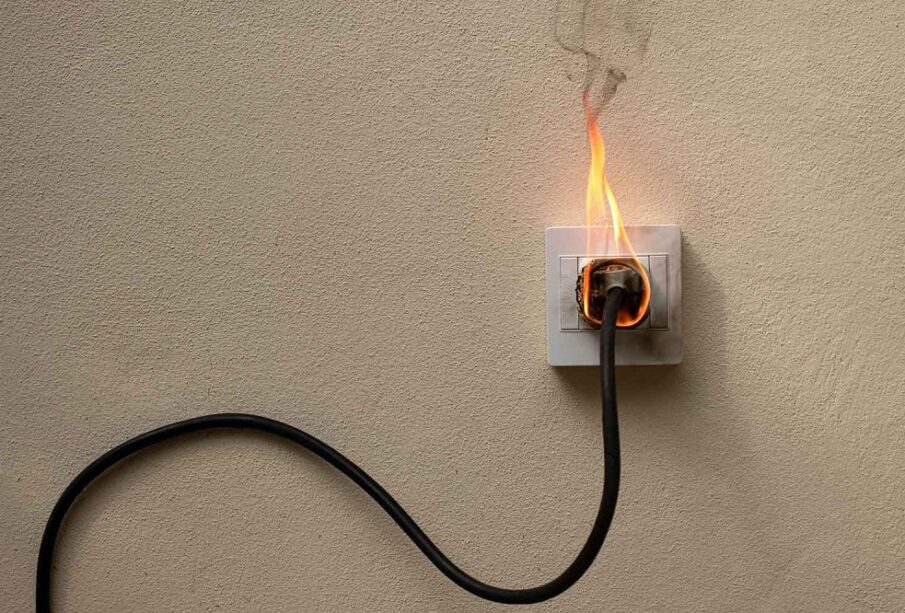
Disasters involving electricity are among the most fast-moving, destructive, and terrifying events a homeowner or bystander can experience. Unlike standard structural fires, electrical fires possess unique hazards, including the persistent threat of electrocution, toxic chemical smoke, and sudden re-ignition. Similarly, downed power lines turn the surrounding ground into an invisible, electrified danger zone.
When these crises occur, panic is your greatest enemy. Surviving the immediate aftermath and protecting your property requires a cool head and a precise, sequential action plan. Knowing exactly what to do in the first few minutes can mean the difference between safety and catastrophic injury.
Immediate Actions During and After an Electrical Fire
An electrical fire often starts behind walls, inside appliances, or at overloaded breaker boxes. Recognizing the smell of burning plastic or fishy odors is often the first warning. If the situation escalates into an active fire, immediate and correct action is mandatory.
Evacuate and Alert Everyone Immediately
The absolute priority is life safety. Do not attempt to gather personal belongings, wallets, or heirlooms. Shout clearly to alert all occupants in the building. Evacuate using your predetermined escape routes. Stay low to the ground if smoke is present, as toxic fumes from burning wire insulation rise rapidly. Once outside, assemble at a safe distance from the structure.
Cut the Power Supply if Safe to Do So
If the fire is localized to an appliance or a specific outlet, and you can safely reach the main electrical panel without crossing the path of the fire or smoke, shut off the main breaker. Turning off the power removes the continuous thermal energy feeding the fire. However, if the panel is located in a smoky basement or near the source of the fire, abandon this step immediately and focus on evacuation.
Use the Correct Extinguishing Method
Using the wrong fire extinguisher on an electrical fire can cause fatal electrocution or cause the fire to explode outward.
-
Never use water: Water conducts electricity. Throwing water on a live electrical fire can complete a circuit, shocking you and spreading the electrical current across the floor.
-
Use a Class C Fire Extinguisher: Class C extinguishers use non-conductive agents like carbon dioxide or dry chemicals to smother the flames.
-
The Baking Soda Alternative: If the fire is extremely small, such as a tiny spark on a toaster, and the appliance is unplugged, you can smother it with a large amount of baking soda. This releases carbon dioxide, starving the fire of oxygen. Never use flour, which is highly flammable.
Call Emergency Services
Once you are safely outside the building, call 911 or your local emergency number. Provide the dispatcher with clear details. State clearly that you are dealing with an electrical fire. Confirm whether the main power supply has been successfully shut off. Detail whether anyone is trapped inside or injured.
Do Not Re-Enter the Structure
Even if the fire appears to have died down, never re-enter the building. Electrical fires can travel inside wall cavities unseen, feeding on structural studs and insulation. Wait for the fire department to declare the structure completely safe.
Immediate Actions Following a Power Line Disaster
Downed power lines are incredibly unstable. High-voltage currents can travel through the earth, fences, water puddles, and vehicles. Whether a storm, a vehicular accident, or a fallen tree caused the power line to drop, your immediate behavior dictates your survival.
Assume Every Line is Live and Dangerous
There is no visual or auditory way to confirm if a downed power line is dead. Live wires do not always spark, smoke, hum, or move. A quiet wire resting on the grass can carry tens of thousands of volts. Always treat every fallen wire as a fully energized, lethal hazard.
Maintain a Safe Distance
The voltage from a downed line radiates outward through the ground in concentric rings, losing strength further from the source. This phenomenon creates a ground potential gradient. Stay at least 35 feet away from any downed line. If the weather is wet or stormy, increase this distance significantly, as water expands the conductive zone. Keep pets and children far away from the perimeter.
How to Move Away Safely: The Shuffle Step
If you find yourself unexpectedly close to a downed power line, walking or running normally can kill you. Because the voltage drops the further you move from the wire, your two feet landing in different voltage zones can cause electricity to travel up one leg and down the other.
To move away safely, use the shuffle step:
-
Keep your feet tightly together, flat on the ground.
-
Never lift either foot completely off the earth.
-
Shuffle your feet slowly, moving them only a few inches at a time.
-
Maintain this shuffling motion until you are at least 35 to 40 feet clear of the danger zone.
Protocol for a Vehicle Trapped by Power Lines
If a power line falls across your car while you are inside, or if you collide with a utility pole, the vehicle’s rubber tires insulate it from the earth, keeping you safe inside the metal frame. Stay inside the vehicle because this is the safest action. Warn any well-meaning bystanders to stay far away from the car. Call for emergency assistance by dialing 911 and inform the utility company immediately.
If the vehicle catches fire, you must exit immediately using a specific jumping technique. Open the door completely without touching the outer metal frame of the car. Stand on the inside door sill. Jump completely clear of the vehicle, landing with both feet tightly together. Do not stumble, and never touch the car and the ground at the same time. Immediately begin the shuffle step to move 40 feet away.
The Recovery Phase and Professional Inspection
The danger does not end when the smoke clears or the utility company isolates the power line. The structural and electrical integrity of your property must be systematically evaluated before normalcy can resume.
Step-by-Step Recovery Checklist
-
Secure an Electrical Inspection: Never attempt to flip the main breaker back on after an electrical fire or major surge. Hire a licensed, certified master electrician to inspect the entire wiring grid, outlets, breaker boxes, and appliances.
-
Obtain Fire Department Clearance: Ensure local authorities provide written confirmation that the structure is structurally sound and free of hidden embers.
-
Document the Damage: Take detailed photographs and videos of all damaged areas, burnt appliances, and structural degradation for insurance documentation.
-
Contact Your Insurance Provider: File a claim promptly. Provide them with the fire department incident report number and your electrician’s initial assessment.
-
Professional Mitigation: Hire a fire and water restoration service to remove toxic soot, smoke residue, and water used by firefighters, preventing toxic mold growth.
Frequently Asked Questions
What causes a breaker panel to catch fire, and how can it be prevented?
Breaker panel fires are typically caused by loose wiring connections, corrosion, severe overloading, or the installation of incorrect fuse or breaker sizes. Over time, loose connections create electrical arcing, which generates extreme heat without necessarily tripping the breaker. Prevent this by scheduling a professional electrical inspection every three to five years, avoiding overcrowding circuits, and upgrading obsolete panels like old Federal Pacific or Zinsco models.
Can a hidden electrical fire burn inside a wall without tripping the circuit breaker?
Yes. If an electrical wire undergoes a slow, glowing arc fault, it can generate intense localized heat that ignites nearby wood studs or insulation. Because the current flow may not exceed the breaker’s maximum amperage threshold, the circuit breaker will not trip. This is why installing Arc Fault Circuit Interrupters is vital, as they detect these specific, dangerous micro-arcing patterns.
Why is it dangerous to touch a person who is currently experiencing an electrical shock?
If someone is touching a live electrical source, their body becomes an extension of that electrical circuit. If you touch them with your bare hands, the current will instantly flow into your body, paralyzing and injuring you as well. Always shut off the main power source first, or use a non-conductive object like a dry wooden broom handle to safely separate the victim from the wire before administering aid.
How does weather affect the severity and danger zone of a downed power line?
Rain, snow, standing water, and high humidity dramatically increase the danger zone of a downed power line. Water is an excellent conductor of electricity. When the ground is saturated, the electrical current from a fallen wire spreads much further out and with greater intensity than it would on dry asphalt or dry soil, requiring a much larger evacuation radius.
What should I do if my home’s electronics emit a burning smell but there are no visible flames?
Immediately shut off the power to that specific room via the main breaker panel, or carefully unplug the device if the cord is cool to the touch. Do not use that outlet or appliance again until it has been thoroughly evaluated by a professional. Keep a Class C fire extinguisher nearby during the process in case hidden embers flare up once oxygen levels change.
How long does toxic smoke from an electrical fire linger in a home?
Toxic smoke from burning PVC insulation, plastics, and copper coatings contains hazardous compounds like hydrogen chloride and carbon monoxide. This residue attaches to walls, upholstery, and ventilation ducts, and can remain dangerous for weeks. Standard airing out is insufficient; professional thermal fogging and air scrubbing by a certified restoration company are required to make the air completely safe to breathe again.