
Keeping Production Moving: Why Equipment Reliability Matters In Oil And Gas
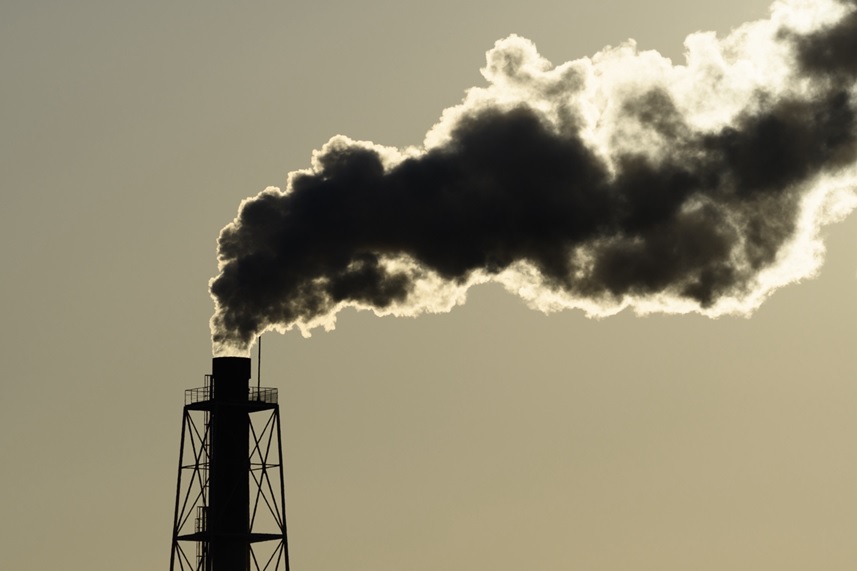
Oil and gas operations depend on equipment that must perform consistently under demanding conditions. Pumps move fluids through production systems, compressors maintain pressure, valves control flow, and pipelines transport products across long distances. A failure in any one of these areas can interrupt production, increase maintenance costs, and create safety or environmental concerns.
Reliability Protects Production Capacity
Oil and gas facilities are built around interconnected systems. When a critical component fails, the effects can spread well beyond that individual piece of equipment. A compressor shutdown, for example, may restrict the amount of gas a facility can process. A pump failure can interrupt fluid movement and force another part of the operation to slow or stop. Even relatively small components can become production bottlenecks if there is no backup available.
Unplanned downtime is particularly expensive because it is, by definition, unexpected. Maintenance crews may need to locate replacement parts, arrange specialized labor, and complete repairs while production remains restricted. Planned maintenance gives operators more control over timing, staffing, and inventory.
Harsh Conditions Accelerate Equipment Damage
Oil and gas equipment routinely encounters operating conditions that can shorten component life. High pressures, temperature changes, vibration, abrasive particles, and chemically aggressive fluids can all contribute to deterioration.
Corrosion is a particularly important concern. Water, carbon dioxide, hydrogen sulfide, salts, and other substances can interact with metallic surfaces and contribute to different forms of corrosion. Damage may appear as relatively uniform material loss or become concentrated in localized areas such as pits.
Operators need information about the conditions equipment actually experiences. Inspection data, fluid analysis, process measurements, and corrosion testing equipment can help maintenance and engineering teams evaluate deterioration and make better decisions about inspection intervals, materials, and protective measures.
Condition Monitoring Can Reveal Problems Earlier
Traditional maintenance schedules often rely on calendar intervals. A pump might be inspected every six months because that has historically been the maintenance schedule.
Time still matters, but operating condition can provide a more useful signal. Two identical pumps may experience very different wear if one runs continuously at a stable load while another regularly operates under changing loads or unfavorable conditions.
Condition monitoring can track indicators such as vibration, temperature, pressure, lubricant condition, or equipment performance. Changes in these measurements can provide early warning of developing problems.
Increasing vibration in rotating machinery, for instance, may point to imbalance, misalignment, bearing wear, or another mechanical issue. A gradual decline in pump efficiency can indicate deterioration even before the equipment fails outright.
Maintenance Data Needs Context
Collecting large quantities of equipment data does not automatically improve reliability. Operators need to know which measurements correspond with actual equipment health and which variations are simply normal operating behavior.
Maintenance history provides valuable context. If a certain pump has experienced repeated seal failures, teams can examine operating conditions around each event instead of treating every repair as an isolated problem.
Repeated failures also deserve deeper investigation. Replacing the same component every few months may restore operation temporarily without addressing the underlying cause. Misalignment, incorrect installation, poor lubrication, process conditions, or inappropriate material selection could be contributing to the pattern.
Spare Parts Strategy Affects Recovery Time
Even well-maintained equipment can fail. The availability of replacement components determines how quickly operations can recover. Keeping every possible spare on-site is rarely practical. Some parts are expensive, have limited shelf lives, or may never be needed. Instead, operators can evaluate equipment criticality, failure history, supplier lead times, and the consequences of extended downtime.
A relatively inexpensive component with a six-month lead time can create a serious operational problem if its failure shuts down essential equipment. Conversely, keeping an expensive spare for noncritical equipment may tie up capital without providing much operational value. Reliability planning therefore extends beyond the maintenance shop and into procurement and inventory management.
Reliable Equipment Supports Safer Operations
Equipment reliability and process safety are closely connected. A deteriorated valve, leaking seal, damaged pipeline, or malfunctioning pressure-control component can create hazards in addition to lost production.
Inspection and maintenance programs help operators identify equipment that is no longer performing within acceptable limits. Clear procedures for reporting abnormal conditions are equally important. Operators working around machinery every day may notice unusual noise, vibration, odors, leaks, or changes in performance before automated systems trigger an alarm.
Reliability Requires Long-Term Attention
Equipment reliability cannot be achieved through a single inspection campaign or technology purchase. Equipment ages, production conditions change, and maintenance histories accumulate. Reliability strategies need to evolve with those changes.
The most useful programs connect operating data, inspections, maintenance records, failure investigations, and equipment criticality. That information helps teams determine where preventive work provides value and where additional monitoring may be justified.
Reliable equipment gives oil and gas operators greater control over production, maintenance planning, safety, and operating costs. Pumps, compressors, pipelines, valves, and supporting systems will eventually experience wear, but unexpected failure does not have to be accepted as routine. Look over the infographic below to learn more.