
Motorized Screens Can Turn a Covered Patio Into a More Flexible Outdoor Room
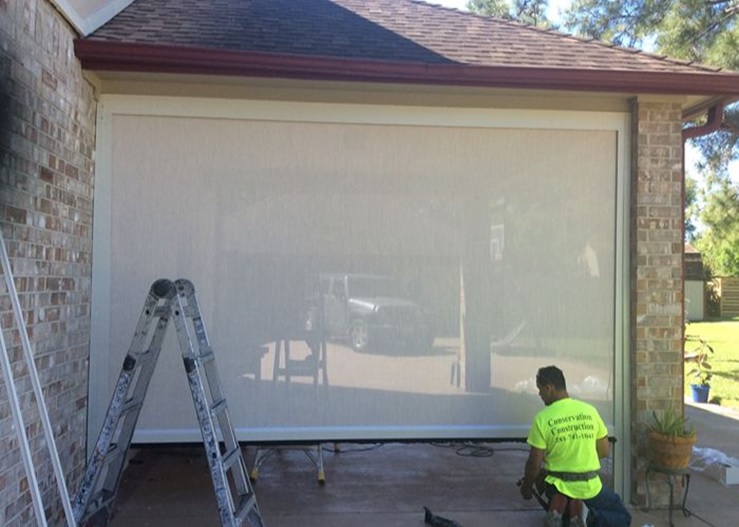
Covered patios are designed to bring everyday life outdoors, but a roof alone does not always make the space comfortable. Sunlight can enter from the sides, insects can interrupt evening meals, and an open patio may offer less privacy than homeowners would prefer. Motorized screens provide a way to respond to these issues without permanently enclosing the space. When additional coverage is useful, the screens can be lowered. When homeowners want an open patio again, they can retract them out of the way.
Homeowners considering motorized screens in Houston can explore options designed for patios and other covered outdoor areas. Unlike fixed screening, a retractable system allows the space to change throughout the day, giving homeowners more control over when they want shade, screening, privacy, or completely open views.
Think of the Patio as Another Living Area
Outdoor spaces are increasingly used for more than occasional backyard gatherings.
A covered patio might include a dining table, lounge furniture, television, outdoor kitchen, fireplace, or children’s activity area. Some households use these spaces almost every day.
That makes comfort more important.
If direct sunlight reaches the seating area every afternoon, the patio may sit empty for several hours. If insects become a problem after sunset, outdoor dinners may end earlier than planned.
Adding adjustable screening can help the space respond to these changing conditions instead of requiring homeowners to organize their activities around them.
Start With the Direction Your Patio Faces
Before choosing a screen system, spend some time observing the patio.
Where does the sun enter during the morning? What happens around noon? Which areas receive direct sunlight later in the afternoon?
The answers can influence where screens will be most useful.
A covered roof may block overhead sunlight while leaving one or more sides exposed as the sun gets lower. Screens positioned along those openings can provide additional coverage without requiring another permanent structure.
This site-specific planning is important because two patios with identical dimensions can have completely different screening needs based on orientation and surrounding features.
Screen Fabric Should Match the Main Goal
Not all screen materials provide exactly the same experience.
Some homeowners are primarily concerned about insects. Others want to reduce glare and direct sunlight. Privacy may be the priority for a patio facing neighboring properties.
There are also homeowners who want coverage but do not want to sacrifice their backyard view.
Screen selection should reflect these priorities.
The openness and characteristics of the fabric can influence visibility, airflow, privacy, and solar control. Rather than choosing based solely on appearance, homeowners should consider which combination of these qualities matters most for the way they use the patio.
Retractable Screening Preserves the Open-Air Experience
One of the appealing features of motorized screens is that the patio does not have to look or feel enclosed all the time.
When conditions are comfortable, homeowners can retract the screens and enjoy the original open-air environment. Landscaping, swimming pools, gardens, and other backyard features remain visually connected to the patio.
Later, the screens can be lowered when additional coverage becomes useful.
This creates two different experiences within essentially the same footprint.
Homeowners do not have to choose between permanently screening the patio and leaving it completely exposed. Instead, the configuration can change according to the activity and conditions.
Outdoor Dining Becomes Easier to Plan
Dining outdoors sounds simple until insects and direct sunlight become part of the meal.
A screen system can be particularly useful around patios with dedicated dining or outdoor kitchen areas. Homeowners can lower the screens before preparing or serving food and raise them again when they are no longer needed.
This eliminates the need to install temporary screening before gatherings or rely entirely on small individual solutions around the table.
The same concept applies when entertaining guests.
A patio can remain open while people move between the house and backyard, then become more screened later in the evening when everyone settles into the seating or dining area.
Large Openings Benefit From Motorized Operation
Modern covered patios can have substantial openings between columns.
While screening these areas can provide useful coverage, manually operating a large retractable screen may become inconvenient, especially if several openings need to be adjusted.
Motorization makes the process simpler.
Instead of treating screen adjustment as a project, homeowners can make changes as conditions develop. If glare becomes distracting, a screen can be lowered. When the sun moves away, it can be retracted again.
That convenience is important because adjustable features provide the most value when they are easy enough to use regularly.
Privacy Doesn’t Have to Be Permanent
Backyard privacy needs can change depending on what homeowners are doing.
Someone relaxing alone during the morning may not care about additional visual separation. The same homeowner might prefer more privacy while entertaining friends or having dinner outside.
Depending on the material and lighting conditions, motorized screens may provide additional visual separation when extended.
The screens can then disappear when that privacy is unnecessary.
This approach can be particularly appealing for homes with patios facing nearby properties, streets, walking paths, or other frequently occupied spaces.
Homeowners should discuss their privacy expectations when choosing screen material because visibility can vary significantly among different options.
Plan Around What’s Already on the Patio
Installing retractable screens requires looking at the entire outdoor space rather than just measuring the openings.
Consider where doors open, where furniture sits, and whether the patio includes an outdoor kitchen, television, ceiling fans, lighting, or other permanent features.
The screen needs an unobstructed operating path.
Housing and track locations should also be considered from a design perspective. Choosing finishes that coordinate with structural columns, trim, doors, and other exterior elements can help the system look more integrated.
Electrical access is another practical requirement because motorized operation needs an appropriate power source.
Identifying these details early can prevent unnecessary compromises during installation.
Weather Awareness Is Still Important
Retractable screening makes outdoor spaces more adaptable, but screens are not structural walls.
Homeowners should understand the operating limits of their specific system, particularly when strong winds or severe weather develop. Manufacturer recommendations should guide when screens need to be retracted.
This distinction matters because leaving an exterior screen extended in unsuitable conditions can place unnecessary stress on the material and mechanical components.
Routine care is useful as well.
Tracks should remain free of debris, and homeowners should pay attention to unusual movement, visible damage, or unexpected sounds during operation. Problems should be addressed rather than attempting to force a screen that is not moving normally.
Custom Measurements Matter More Than Standard Sizes
Outdoor architecture can vary significantly from one property to another.
Even seemingly rectangular patio openings may have differences in height, columns, mounting surfaces, or surrounding fixtures that affect installation.
Custom measurements allow the system to be planned around the actual structure.
This can produce a cleaner appearance while helping the screen travel properly through its intended path. It also allows installers to identify potential obstacles before equipment is ordered.
For homeowners investing in motorized screens, proper planning is just as important as selecting the screen material itself.
Make the Patio Work Around Your Routine
A useful outdoor space should adapt to the people living in the home rather than requiring them to wait for ideal conditions. Retractable screening provides homeowners with choices. The patio can remain completely open during comfortable periods and become more protected when sunlight, insects, or privacy concerns start affecting how the area is used.
For homeowners looking to make an existing patio more versatile, Conservation Motorized Screens and Awnings of Houston can help determine a screen configuration based on the dimensions, layout, and intended use of the space. A thoughtfully designed system can preserve the character of outdoor living while giving homeowners more control over the environment whenever they need it.